
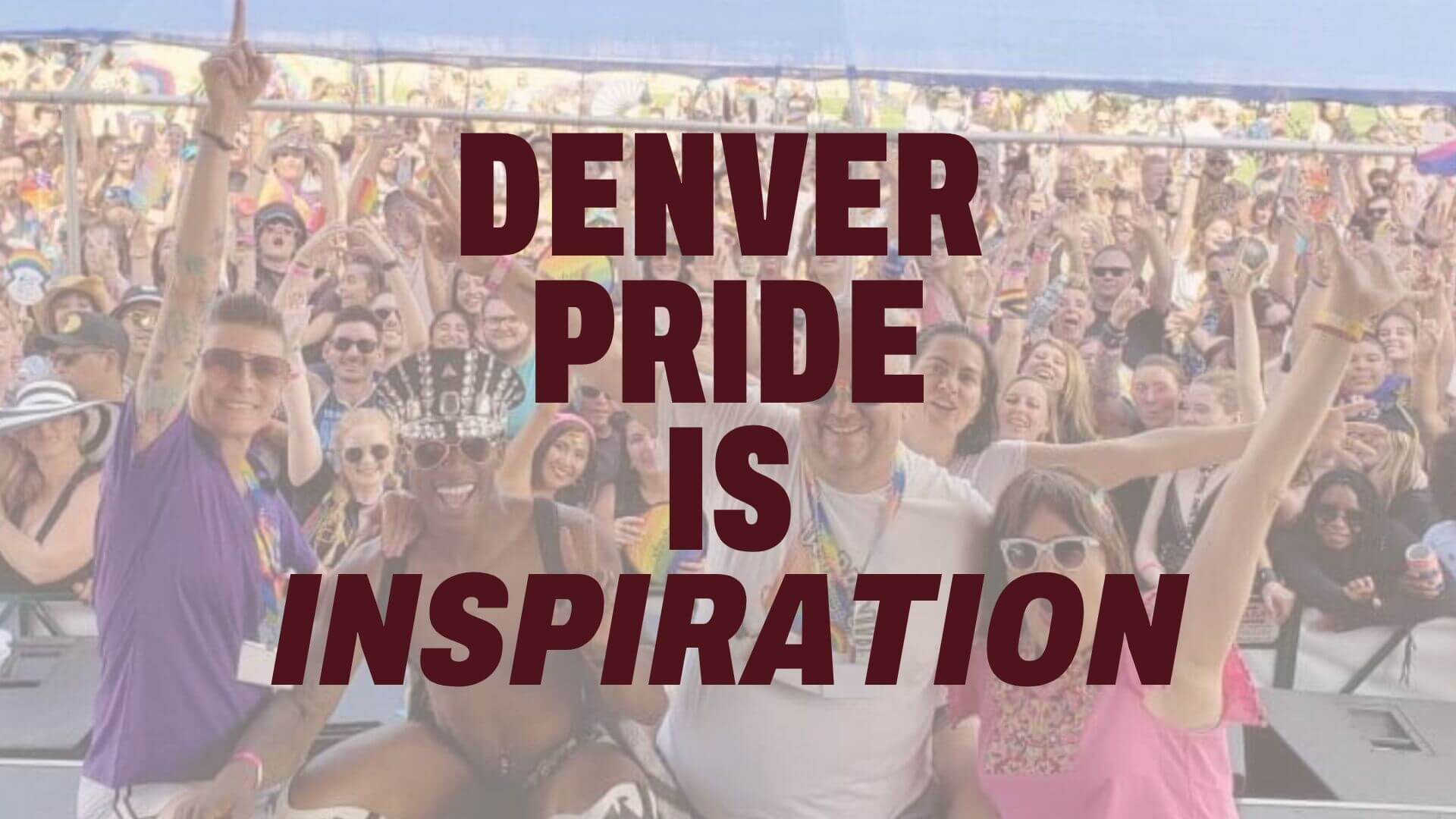
When Bobby Lindsay is twirling atop the Absolut DanceWorld stage, looking down at a sea of joyful, unapologetic LGBTQ+ people and their allies, he's not just hosting a party. He's delivering a message. "I'm sending a message to all queer people that we can be ourselves, we can be unapologetic in who we are and we can still flourish in this world," he said.
Year round, Bobby is a media specialist at Westminster High School and head coach of its step team. And every June, Bobby is lighting up crowds and coordinating Denver Pride's go-go dancers. He's held that role for 22 years. To Bobby, the double life isn't a contradiction — it's the same mission wearing different outfits. Queer kids need to see queer adults who are happy, visible, and thriving. And Bobby intends to be one of them.
As a proud Black, gay, gender-nonconforming man, Bobby remembers being the kid who never quite fit in. Somewhere along the way, not fitting in became the point.
"When I walk through the grocery store and people give me weird looks or whisper about me, it can be hurtful," he said. "But I like to be that light and that beacon for people who didn't see it. It's really important for young people to see openly queer people in the community."
That visibility extends to his stage. When Bobby assembles his dancers for DanceWorld, he's deliberate about who he puts up there — older and younger, every body type, every background. Hoopers, bears, twinks, muscle daddies, Special Olympics athletes. "You're supposed to be the fantasy on stage," he said,"and my hard body is not everybody's fantasy. One twink is not everybody's fantasy. So I make sure I have all shapes, sizes, and colors on stage — because we want something for everybody down in the crowd."
This year, with Pride Festival moving to 16th Street, Bobby feels the weight of what Pride has always been. The Stonewall Riots — the original Pride — were a rebellion, not a celebration. For a long time, Bobby watched the country move in the right direction: marriage equality, broader protections, growing visibility. Progress felt real. "We thought we'd moved past things since Stonewall," he said. "But it feels like we're going back."
And yet, Bobby is not despairing. He's dancing.
As he stands between the skyscrapers of 16th and California Streets, envisioning how an unassuming parking lot will become DanceWorld Stage, he sees both what Pride has always been and what it still needs to be — a space where 550,000 people can lose their inhibitions, find their reflection in someone on that stage, and remember that their community is still here, still loud, still full of joy. For Bobby, dance has always been the language when words fall short. It's how he expressed himself when he was a kid who couldn't quite find the words. It's how he shows his students what a flourishing queer life looks like. And every June, it's how Denver's LGBTQ+ community tells the world exactly who they are.
Pride is a party. It's also a protest. And on that stage, Bobby Lindsay represents the best of both.